

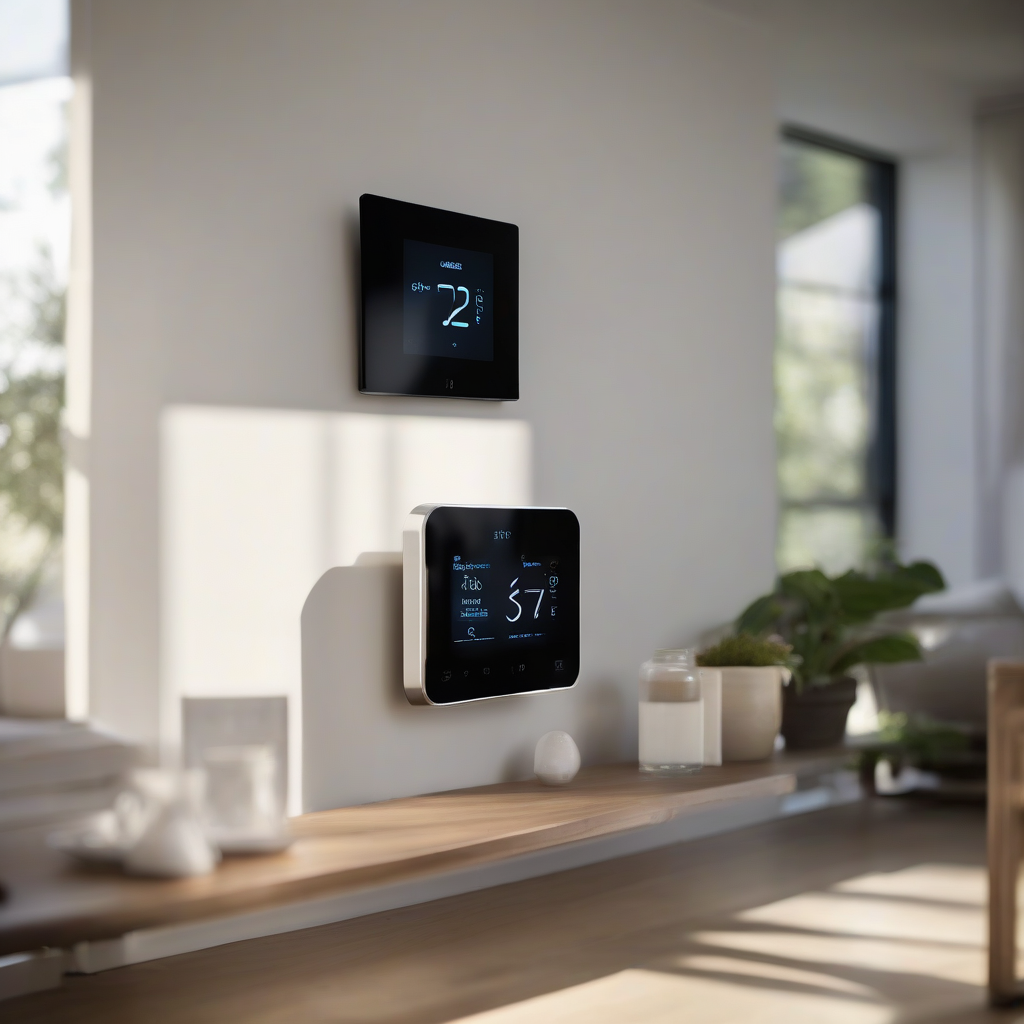
Product Explanation
A smart thermostat is a central component of a modern, energy-efficient home. Unlike traditional programmable models, these intelligent devices learn your habits, adjust to local weather, and can be controlled from anywhere via a smartphone app. The best models connect directly to your home’s Wi-Fi network, enabling seamless integration with systems like Alexa and Google Home for true voice control. This evolution in home temperature control goes beyond simple scheduling; it’s about creating a comfortable environment while actively managing your HVAC energy savings. For a foundational look at this technology, you can explore the concept of a smart object.

Key Features
When evaluating a smart thermostat, certain features set the top performers apart. Here are the core capabilities to look for:
- Wi-Fi & App Connectivity: Full remote control via a dedicated mobile app is non-negotiable for a true wifi programmable thermostat.
- Voice Assistant Compatibility: Hands-free operation with Amazon Alexa, Google Assistant, and Apple HomeKit.
- Energy Star Certification: Look for the Energy Star thermostat label, which signifies rigorous efficiency testing and potential utility rebates.
- Flexible Scheduling & Geo-Fencing: Automatically adjusts based on your daily routine or your phone’s location.
- C-Wire Compatibility: Many advanced models offer power solutions for installations without a c-wire, making them a great easy install thermostat.
- Maintenance Alerts: Proactive notifications about HVAC system performance and filter changes.
Real Benefits
The promise of a smart thermostat isn’t just about cool tech—it delivers tangible, real-world advantages. The primary benefit is significant cost reduction. By optimizing heating and cooling runtimes, these devices can lead to substantial HVAC energy savings, often paying for themselves within a few seasons. Beyond the wallet, they offer unparalleled convenience. Forgetting to adjust the temperature before a vacation is a problem of the past. You also gain finer control over home comfort zones, and many models provide detailed energy usage reports to help you understand your consumption patterns. For a deeper dive into the problem-solving design behind these devices, this article on defining the thermostat problem offers great insight.

Performance & User Experience
In daily use, a high-quality smart thermostat should fade into the background, working reliably and intuitively. The setup process is critical; the best models guide you through a clear DIY installation with step-by-step video instructions in the app, making them accessible even for novices. Once running, the mobile app thermostat interface should be clean, responsive, and provide all essential controls at a glance. Connectivity is key—you want instant response when adjusting the temperature from your phone, not frustrating lag. Furthermore, a focus on being a privacy protected thermostat is increasingly important, giving users control over their data. Real-world performance can vary, as discussed in community forums like this thread on thermostat actions.
Energy Savings Comparison
To illustrate the potential return on investment, here’s a simplified comparison of annual heating and cooling costs:
| Thermostat Type | Estimated Annual Cost | Potential Savings* |
|---|---|---|
| Manual Non-Programmable | $1,200 | — |
| Basic Programmable | $1,050 | $150 |
| Smart Thermostat (Optimized) | $900 | $300+ |
*Savings are illustrative and vary based on climate, system efficiency, and user behavior. An Energy Star thermostat is certified to save energy.
Pros and Cons
Pros:
- Significant reduction in energy bills through intelligent scheduling and occupancy sensing.
- Extreme convenience with remote access and voice control via Alexa compatible thermostat systems.
- User-friendly installation, often without needing a common wire (C-wire).
- Valuable insights into HVAC system health and maintenance needs.
- Enhanced comfort with adaptive recovery and weather-based adjustments.
Cons:
- Higher upfront cost compared to basic models.
- Requires a stable home Wi-Fi network for full functionality.
- Some users may have privacy concerns regarding data collection (look for models emphasizing local processing).
- Not all systems are compatible, especially older HVAC setups.
Who This Product Is For
This product is ideal for homeowners and tech-savvy renters (with permission) who want to reduce their carbon footprint and utility bills. It’s perfect for busy families who can benefit from automated schedules, frequent travelers who need remote control, and anyone interested in building a smarter, more responsive home ecosystem. If you’re frustrated with a clunky old thermostat and want a modern, easy install thermostat solution that integrates with your other smart devices, this is for you. For more ideas on connected living, check out our home page for other smart home guides.

Buying Motivation
Investing in a smart thermostat is one of the most impactful and accessible smart home upgrades you can make. The decision isn’t just about purchasing a gadget; it’s about committing to long-term savings, convenience, and a smarter home. The initial cost is quickly offset by reduced energy bills, and the daily quality-of-life improvement is immediate. You’re not just buying a temperature dial—you’re buying control, insight, and efficiency. Ready to see top-rated options? View expert rankings and deals for 2026.
FAQ Section
Do I need a C-wire to install a smart thermostat?
Not necessarily. Many modern smart thermostats are designed as an easy install thermostat for homes without a c-wire. They often include a power adapter kit or use other methods to draw sufficient power from your HVAC system. Always check the specific model’s compatibility requirements before purchase.
How much money can a smart thermostat actually save me?
Savings vary widely based on your climate, HVAC system, and habits. However, Energy Star reports that certified smart thermostats can save an average of 8% on heating and cooling bills annually. For a typical household, this can translate to HVAC energy savings of $50-$150 per year, allowing the device to pay for itself in 1-2 years.
Are smart thermostats a privacy risk?
Data collection varies by brand. Reputable companies are transparent about their policies. To mitigate risk, look for a privacy protected thermostat that offers features like local data processing (so information doesn’t always go to the cloud), clear privacy controls in the app, and the option to opt out of data sharing for “product improvement.”
Can I install a smart thermostat myself?
Yes, most installations are DIY-friendly. Manufacturers provide detailed guides, video tutorials, and app-based installation wizards. The process typically involves turning off your HVAC power, labeling existing wires, mounting the new baseplate, connecting wires, and snapping on the display. If you’re uncomfortable with electrical work, hiring a professional is always an option.
Final Verdict
Upgrading to a smart thermostat is a forward-thinking decision that pays dividends in comfort, control, and cost savings. It represents a mature smart home technology that delivers on its promises. Whether your primary goal is cutting energy bills, gaining remote access, or simply modernizing your home’s climate control, a quality Wi-Fi programmable thermostat is a worthwhile investment. For a detailed breakdown of a specific top model, read our in-depth smart thermostat product review.
Affiliate CTA Section
Ready to take control of your home’s energy use and comfort? The market in 2026 offers fantastic options that are more capable and user-friendly than ever. Don’t let another season of inefficient heating and cooling pass you by.
Check Price & See Reviews on Our Top Pick – We’ve done the research to help you find the best model for your home and budget.
View the Latest Deals & Comparisons – See how the top brands stack up and find potential retailer discounts.